

Overview
The war in the Middle East continues to dominate the market, but this is far different to the Ukraine / Russian conflict. The closure of the Strait of Hormuz where 20% of the world’s oil, 20% of the world’s liquid gas and 30% of the world’s fertiliser travels, has caused energy prices to spike with the price of oil doubling. Only 3% (7MT) of world wheat imports pass through the Strait. If we compare this to the Black Sea conflict in Russia and the Ukraine are the two biggest exporters of wheat, exporting over 52MT of wheat and 32MT of maize per year.
We have seen increases in feed ingredients, but this is being driven by energy prices, fund activity and other geopolitics not the supply of ingredients. The main implications have been the increase in freight rates driven by higher fuel prices, higher insurance and in some cases alternative routes. Shipping from the US to the UK has seen costs increase by $10 to $15 per tonne (£7 to £11 per tonne). We have also seen a 5% drop in sterling against the dollar, but a 1.5% increase in sterling against the euro.

Cereals
Global and UK wheat supplies remain plentiful with world production up 41MT on last year to over 842MT. UK production could achieve 15 to 16MT, compared to 11.8MT last year if we reach the yield potential of 8.5T/Ha compared to only 7T/Ha last year, as crop conditions are reported to be good. Since the conflict in the Middle East fertiliser prices have increased by 15 to 20% obviously pushing the cost of production up, which was already very questionable in many countries.
For US farmers this may determine whether to plant maize, wheat, or soya, which will become apparent after a couple of months, when we see the planting intentions.
Proteins

Global soya production remains very healthy with production at 428MT, compared with 421Mt last year. Brazil is expecting a record crop of over 180MT. The expectation that China were going to take more US soya firmed the market, but after Trump cancelled the meeting with China the soya market dropped significantly. The dollar strengthening against the pound will have increased soya prices by approximately £10 per tonne. Combined with the increase in shipping this has led to an overall increase in soya prices of approximately £20 per tonne.
Rape meal prices have seen significant increases in prices, combined with the continued closure of the UK crushing plant Erith, increased costs of crushing the seed and inflated freight costs, we have seen prices increase for old crop by around £40 per tonne. Sunflower meal have lifted on the back of the prices firming by over £20 per tonne. Maize distillers have also risen by £40 per tonne, again shipping but the lack of availability from the origin.
Fibres
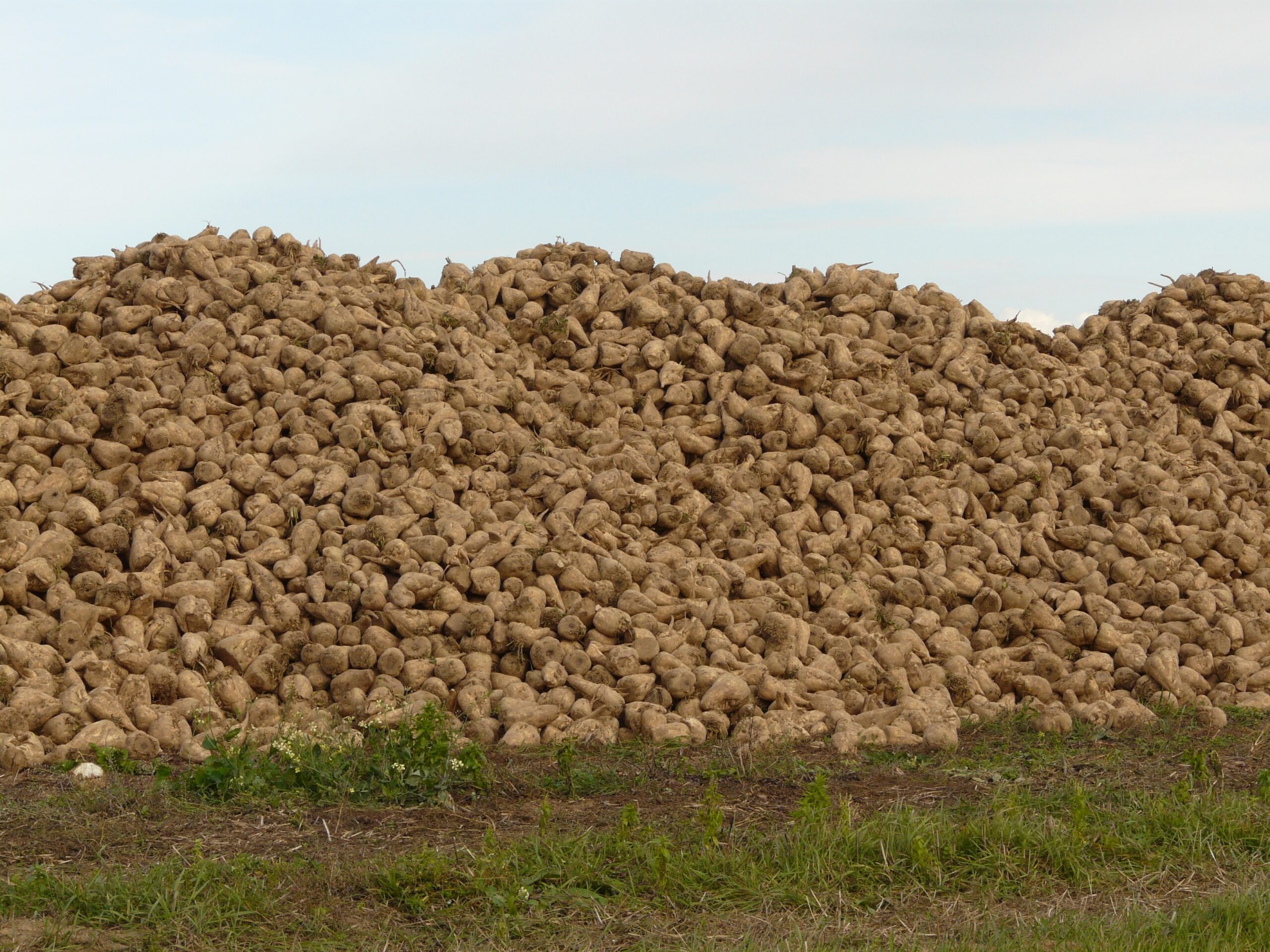
Home produced sugar beet is unavailable for the summer and imports are very limited and very expensive, making it uneconomical. Even new crop sugar beet for next autumn is expensive as the UK crop is anticipated to be a similar size to this year.
Soya Hulls are similar to soya and have been affected by the rises in freight and currency, so we have seen considerable rises.
Final thoughts
When the Middle East conflict ends we are likely to see prices retract again, possibly quite quickly in this well supplied market.
For more information, speak to Andrew Davies on 01409 254 300.


