
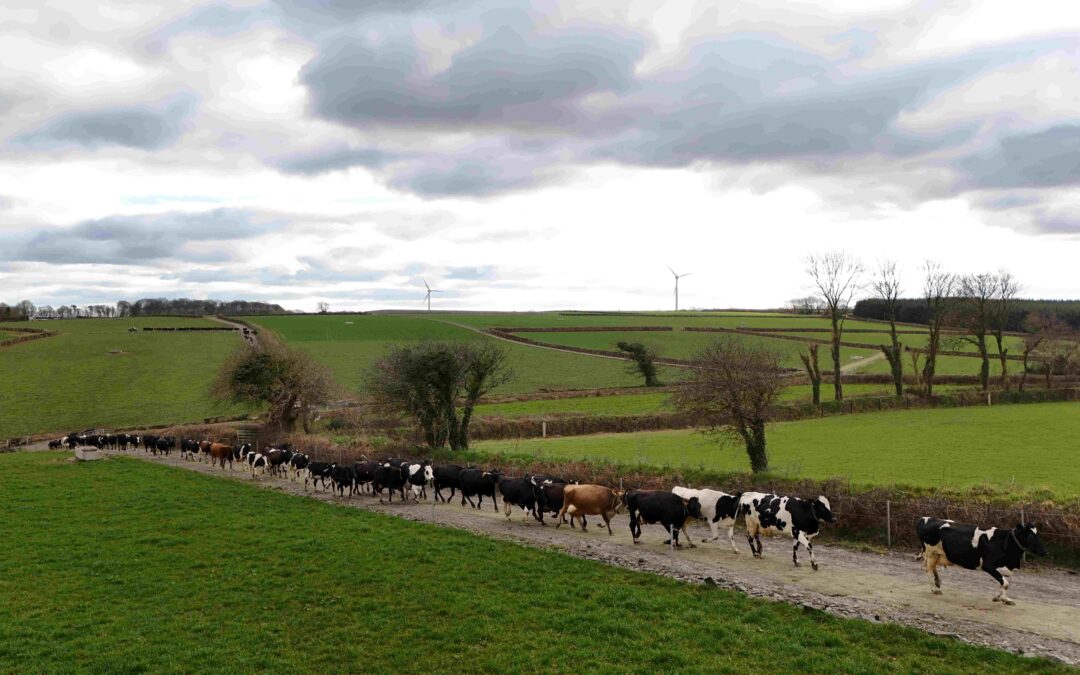
Lameness is one of the main health and welfare problems affecting dairy herds and is a significant reason for cows being culled before reaching their full productive potential.
Lameness can reduce milk yield, fertility and feed intake, while increasing treatment costs and management time. A practical approach to locomotion scoring, early identification and prevention can help reduce lameness levels, improve cow welfare and reduce involuntary culling.
Locomotion scoring should form part of routine dairy herd management. Cows should be observed regularly when walking, particularly when leaving the parlour or travelling along a raceway. A sound cow should walk with an even stride and relatively level back. An uneven gait, shortened strides, reluctance to put weight on a limb or an
arched back may indicate lameness. Regular observation allows potentially lame cows to be identified before the condition becomes severe, but this must then be acted on.
Once a cow is identified as lame, she should be examined as soon as possible to establish the underlying cause. This may involve lifting and inspecting the foot in a suitable trimming facility. Common causes include digital dermatitis, sole ulcers, white line disease and sole haemorrhage. Treatment should be based on the diagnosis rather than simply treating
the visible signs. Records should be kept of the cow, lesion, treatment and recovery.
Good housing management is an important part of preventing lameness. Cows need comfortable cubicles with sufficient space, appropriate dimensions and clean, dry bedding. Comfortable cubicles encourage cows to lie down and reduce time spent standing, which can reduce pressure on the claws. Cows should spend at least 14 hours lying down each
day.
Walking surfaces also have a major influence on mobility. Concrete floors should provide sufficient grip without being excessively abrasive. Damaged or uneven flooring should be repaired and passageways kept clean through regular scraping. Particular attention should be given to collecting yards and areas where cows spend longer periods standing.
Rubber matting should be used where possible, especially around the parlour and on sharp turns.
Foot health management should include routine mobility monitoring and professional foot trimming where required. Trimming should be carried out by a competent foot trimmer and focus on maintaining the correct claw shape rather than unnecessarily removing horn. We recommend trimming all four feet at drying off, followed by the back feet again at
100 days in milk.
Footbaths must be used as part of a herd programme for controlling infectious diseases such as digital dermatitis. Their effectiveness depends on correct management, including suitable solution, concentration, cleanliness and frequency. Products include Zinc Sulphate, Copper Sulphate, Golden Hoof, Four Cows and Formulin. Heal Max is another product for
Digital Dermatitis.

Nutrition should not be overlooked when investigating herd lameness. Poorly managed diets and ruminal acidosis can contribute to claw horn disorders. Working with your nutritionist or farm adviser to monitor diet formulation, dry matter intake and transition cow management can help reduce these risks. Maintaining good body condition and avoiding
excessive loss of condition after calving can also support cow health and mobility.
Farm records are essential for measuring progress. Lameness treatments, locomotion scores, repeat cases and culling reasons should be recorded and reviewed regularly. Identifying patterns can show whether problems are associated with particular groups of cows, housing areas, times of year or management practices, allowing preventative action to
be targeted rather than relying solely on treatment.
The overall aim should be to move from treating severe lameness to preventing cases and identifying problems early. Prompt treatment gives a cow a greater chance of returning to normal mobility, maintaining milk production and becoming pregnant, increasing her productive lifespan and reducing the need to cull because of chronic lameness.
Within the Harpers sales team, eight of us are ROMS accredited, so use us where needed.


